
4 Ways Wildfires Can Reach Your Home
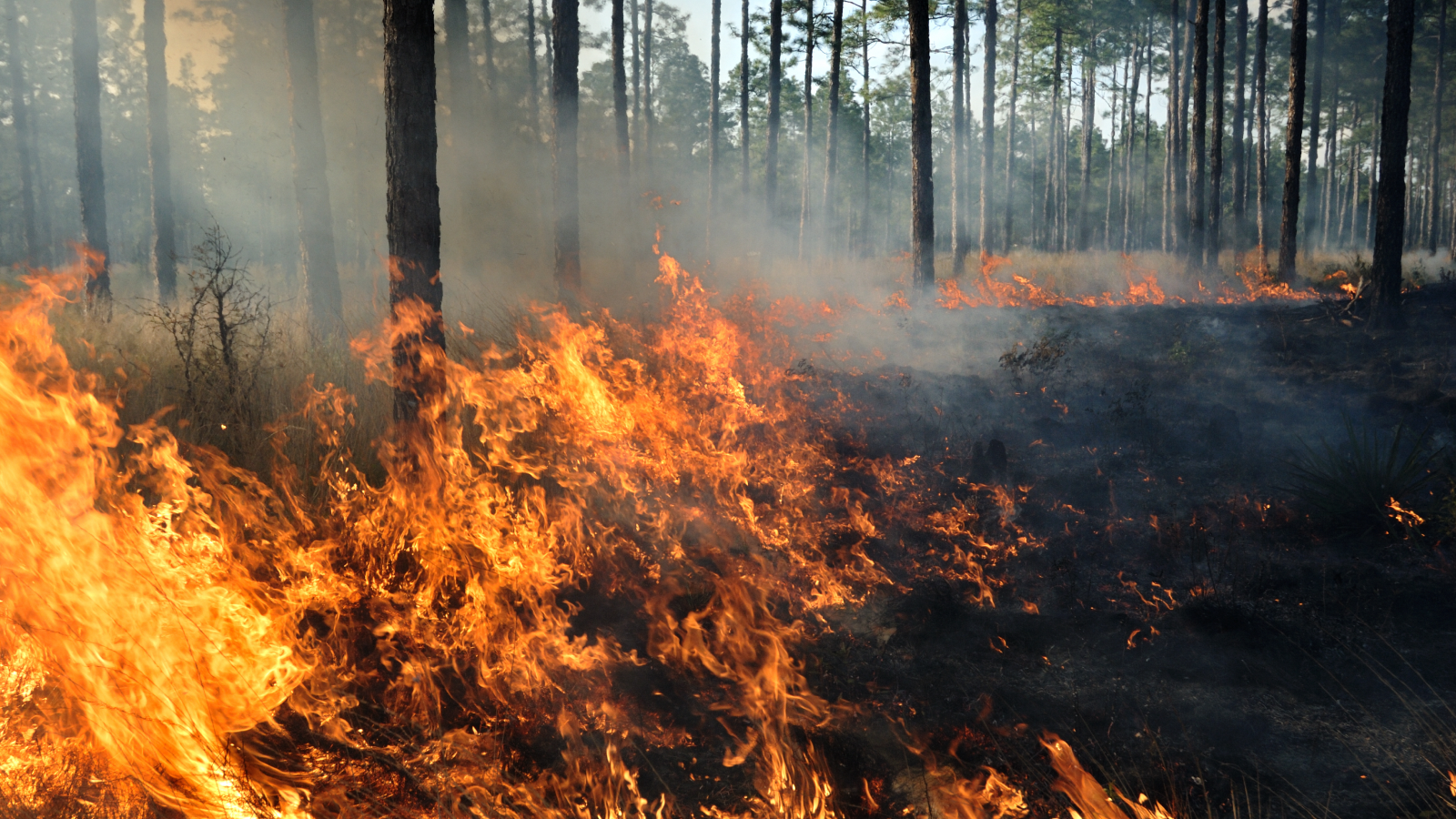
Ongoing drought conditions have significantly increased the wildfire risk for communities across the Southeast. Homeowners may not expect wildfire threats in this region, but houses are often more vulnerable than people realize. Under the right conditions, single spark can ignite a fast-moving wildfire capable of destroying thousands of acres, including homes. The following are 4 ways wildfires can become structure fires and how you can help reduce your risk.
1. Dry vegetation close to the home
Risk: Certain plants like annual grasses and coniferous trees, are highly flammable.
Prevention: Avoid highly-flammable plants and prioritize fire-resistant landscaping.
Risk: Wood mulch, pine needles, dead leaves, or dry shrubs near the home can easily ignite during wildfire conditions.
Prevention: Create a buffer zone of at least 5 feet between your home and landscaping.
Risk: Tree branches hanging over the roof can allow fire to spread directly to the structure.
Prevention: Trim tree branches back regularly to prevent wildfires from reaching your home.
2. Wind-blown embers
Risk: The buildup of dry organic material such as leaves and pine needles on your roof and in your gutters can ignite when exposed to wind-blown embers.
Prevention: Clean roofs and gutters regularly, especially during dry or high fire risk periods, and trim nearby trees to reduce the amount of debris falling onto the home.
Risk: Wind-blown embers can enter vents and ignite dust or debris inside the home.
Prevention: Install 1/8 inch mesh metal screens over vents or openings and keep them clear of dust and debris.
3. Flammable materials near the structure
Risk: Firewood stacked against the house can ignite and allow fire to spread quickly to the structure.
Prevention: Store firewood at least 20 feet away from the home, which also helps prevent pests.
Risk: Wooden fences or decks connected directly to the home can act as a pathway for fire to spread to the structure.
Prevention: Create separation where possible and use fire-resistant materials or breaks between structures.
4. Radiant heat from nearby fires
Risk: Intense heat from a nearby wildfire can cause damage by breaking windows, melting siding, or igniting combustible materials without direct flame contact.
Prevention: Maintain defensible space between your home and nearby vegetation or structures, and consider fire-resistant materials where possible.
Wildfire advisories and resources
Red Flag Warnings and Fire Weather Watches are issued by the National Weather Service (NWS) during critical fire weather conditions, which are typically a combination of strong winds, low humidity, and dry fuels. During these advisories, it is important to stay informed, follow evacuation orders, and avoid activities that could potentially start a wildfire, including:
- Using equipment that creates sparks
- Outdoor burning, bonfires, and fire pits
- Parking or leaving a car running in tall grass
- Discarding lit cigarettes from moving vehicles
- Grilling or using propane burners
- Fireworks or pyrotechnics
My Resilient Home, a website created by the Insurance Institute for Business & Home Safety (IBHS), offers resources for homeowners including risk assessment tools and further guidance on wildfire preparedness and fire-resistant landscaping.
Protecting your home from wildfires
When it comes to wildfires, taking steps to reduce risk around your home and property can make a meaningful difference. Wildfires can spread quickly and reach homes in unexpected ways. Emergency preparedness, including regular maintenance and awareness of fire conditions, can help lower your risk. Consider reviewing your home and property insurance coverage with an Alfa® agent. While having insurance does not prevent a wildfire, it can help you recover if one impacts your home.
All coverages are subject to deductibles and policy limits. This is not an insurance policy. It is intended only to provide a general description of Alfa Insurance® and/or its product lines and services. An actual policy contains the specific details of the deductibles, coverages, conditions and exclusions. Your Alfa® agent can explain the policy and benefits and answer any questions you may have before you buy.