
Does Homeowners Insurance Cover Flooding? Quick Answers
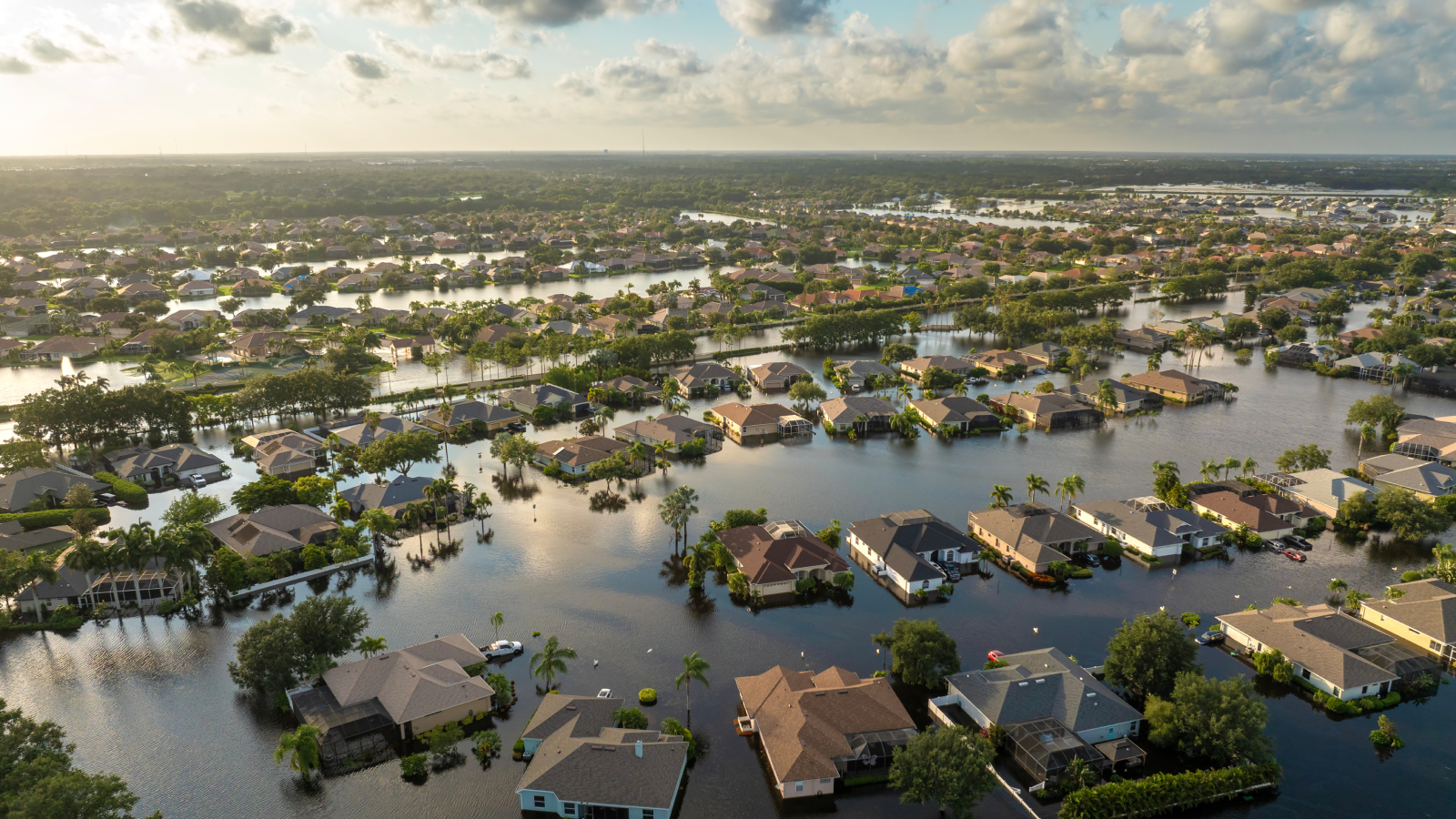
One of the most common questions homeowners ask is, “Does homeowners insurance cover water damage?”
The answer depends on where the water comes from.
Homeowners Insurance vs. Flood Insurance
Understanding the difference can help you decide what coverage you need to protect your home and belongings.
The simplest way to remember it is:
Homeowners Insurance = Water damage from inside the home
Flood Insurance = Rising water from outside the home
While coverage can vary by policy, the source of the water usually decides whether the damage is covered.
Homeowners insurance usually covers sudden and accidental water damage, such as:
- Burst or frozen pipes
- Water heater leaks or ruptures
- Accidental overflow from sinks or tubs
- Washing machine or dishwasher overflow
- Sudden plumbing failures (often excluding sewer backup)
Example:
Your water heater fails overnight and floods your basement. This is typically covered because the water started inside your home and the damage was sudden and accidental.
Flood insurance typically covers water damage caused by rising water from outside, such as:
- Storm surge in coastal areas
- Mudflow in certain situations
- Flash flooding from heavy rain
- Overflowing rivers, lakes, or creeks
- Water entering from outside at ground level
Example:
A hurricane or tropical storm causes storm surge to push water into your home, flooding the interior and damaging floors, walls, furniture, and belongings.
Do I need flood insurance?
You should consider flood insurance if your home is:
- In a floodplain
- Located in a coastal area
- In an area with poor drainage
- Near a river, creek, lake, or stream
- At the bottom of a hill or mountain
- Vulnerable to flash flooding or severe weather
Flood insurance is strongly recommended for homes in flood-prone areas, including coastal regions, river valleys, and floodplains. Even if your home is not in a high-risk flood zone, flooding can still happen. Heavy rain can overwhelm drainage systems and cause water damage far from rivers and coastlines. It may be worth considering flood coverage if your home has poor drainage, or is located in a low area that tends to collect water during heavy rain.
How do I know if my home is in a flood zone?
To check your risk, you can visit the FEMA Flood Map Service Center online and enter your address to view your flood zone. However, it’s important to note that almost one-third of NFIP flood claims come from properties outside of high-risk flood zones.
How do I get flood insurance?
Flood insurance is available through FEMA as part of the National Flood Insurance Program (NFIP), as well as through select private insurers. NFIP policies generally provide up to $250,000 in coverage for residential homes, so private flood insurance may be worth considering if you own a higher-value home or need more coverage. Be aware that flood insurance usually has a 30-day waiting period before coverage begins, so it is best to buy it before a storm is forecasted.
Will the government pay if my home is flooded?
Federal disaster assistance is not guaranteed after a flood. It is only available if a disaster is officially declared, and even then, it may come in the form of a loan that must be repaid. Disaster assistance can potentially help with recovery expenses, but homeowners in high-risk areas should not count on it as a replacement for flood insurance.
Additionally, a property that has received federal aid for flood damage in the past may be required to have flood insurance in place to remain eligible for future disaster assistance, even if the property has changed ownership.
When am I required to have flood insurance?
You are usually required to have flood insurance if you have a mortgage from a federally regulated or insured lender and your home is in a flood zone.
Protect your home from water damage
Homeowners insurance usually covers sudden and accidental water damage that starts inside the home, while flood insurance protects against rising water that comes from outside. Depending on your property's location and flood risk, you may need both types of coverage to fully protect your home and belongings. To help ensure you have the protection you need, talk with an insurance agent who can help assess your risk and guide you toward the right coverage for your situation.
All coverages are subject to deductibles and policy limits. This is not an insurance policy. It is intended only to provide a general description of Alfa Insurance® and/or its product lines and services. An actual policy contains the specific details of the deductibles, coverages, conditions and exclusions. Your Alfa® agent can explain the policy and benefits and answer any questions you may have before you buy.