
Understanding Manufactured Home Insurance
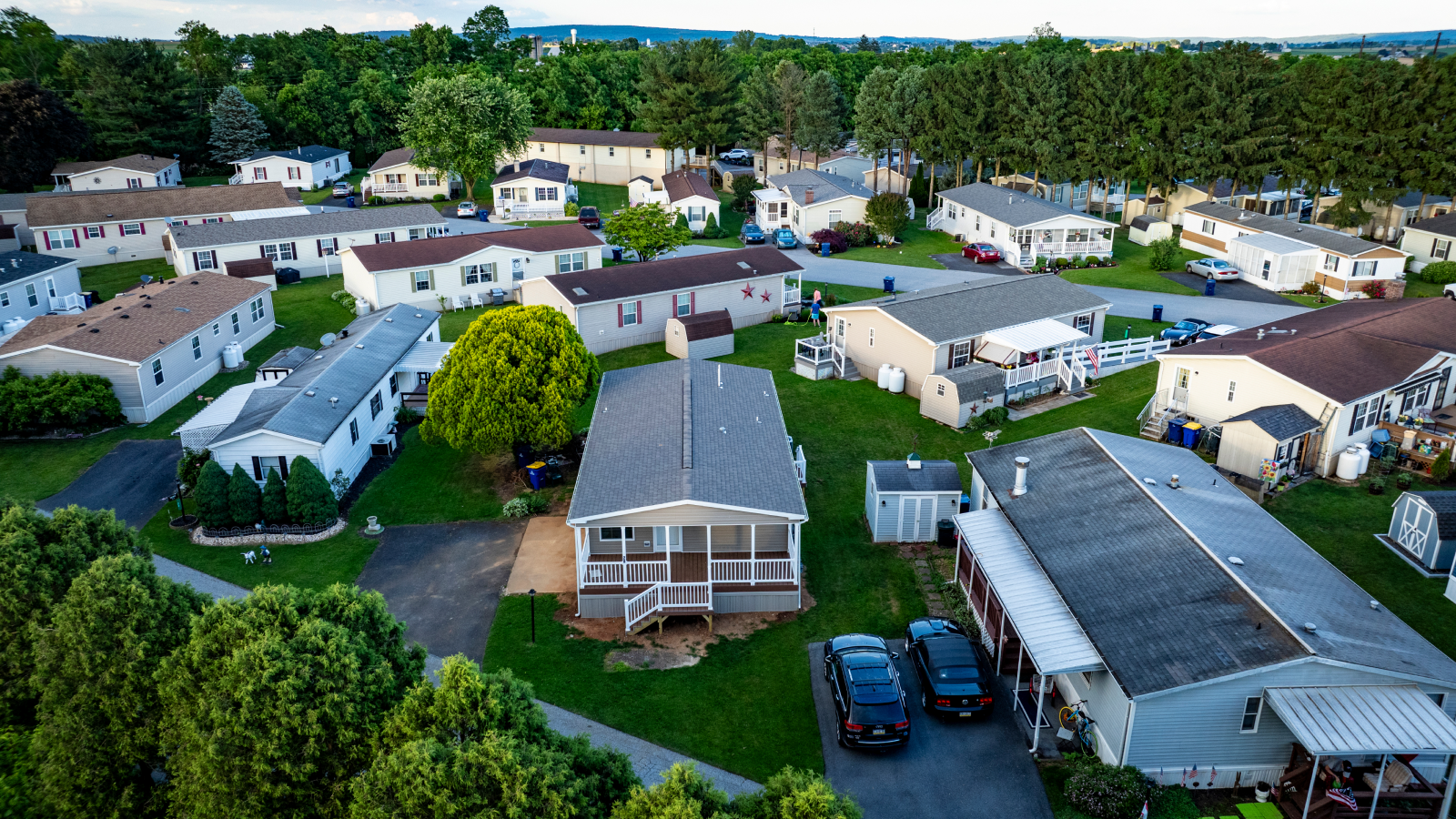
Buying a manufactured home is a smart choice for anyone seeking an affordable and flexible living option. Whether it’s your full-time residence or your weekend getaway, your manufactured home deserves protection—just like any other home would.
What is Manufactured Home Insurance?
Manufactured home insurance, also referred to as mobile home insurance, is designed to help cover the cost of repairs or replacement if something unexpected happens, such as a fire, storm damage, theft, vandalism, or even someone getting hurt on your property. So whether a tree falls through your roof or a guest slips on your front steps, your policy can help you recover financially. If you’re financing your manufactured home or living in a mobile home community, you’re probably required to have this type of coverage.
What does it cover?
The structure of the home
If your home is damaged by fire, hail, lightning, wind, vandalism, or other covered peril, your manufactured home policy may help cover the cost to repair or rebuild.
Other structures
This helps cover repair or replacement to permanent structures on your property like a fence or shed.
Your personal belongings
Everything inside your home—furniture, electronics, clothes, appliances, and more—may be covered if it’s damaged or stolen. Just make sure your coverage limits reflect the current value of your belongings. For high-value items like jewelry, collectibles, or expensive equipment, you may need a separate policy or extra coverage to make sure they’re adequately protected.
Liability protection
If someone gets hurt on your property and you’re found legally responsible, liability coverage can help with medical expenses, legal fees, and other related costs.
Additional living expenses
If something happens to your manufactured home and you can’t live in it while repairs are being made, loss of use coverage may help pay for temporary housing, meals, and other temporary living costs.
It’s important to remember that insurance is there to protect you financially from unexpected damages, not everyday maintenance. It’s still your responsibility as the homeowner to keep your home in good shape. Make sure you understand what your policy covers (and what it doesn’t) so there are no surprises if you ever need to file a claim.
Factors that can affect the cost of Manufactured Home Insurance
Age and condition of the home: Older homes or ones that haven’t been updated may cost more to insure because they likely have older wiring, plumbing, or structural materials that are more prone to damage.
Location: Where your home is located plays a big role in how much you pay. If you live in an area that’s prone to risks like hurricanes, tornadoes, or floods, your premium may reflect that.
Type of foundation: A home that’s permanently attached to a foundation is usually considered more stable and less risky to insure compared to one that’s on blocks or piers.
Coverage limits: The more coverage you choose (for your home, belongings, and liability) will typically result in a higher premium. Choosing a higher deductible (the amount you pay out of pocket before insurance kicks in) can lower your premium, but you’ll have to pay more at the time of a claim.
Insurance protection built around your budget
Having the right insurance isn’t just about checking a box—it’s about protecting the place you call home. Because manufactured homes can be especially vulnerable to risks like severe weather, fire, and theft, choosing the right coverage is simply a smart way to stay prepared.
To learn more about insurance for your manufactured or mobile home, reach out to your local Alfa® agent for a personalized quote.
All coverages are subject to deductibles and policy limits. This is not an insurance policy. It is intended only to provide a general description of Alfa Insurance® and/or its product lines and services. An actual policy contains the specific details of the deductibles, coverages, conditions and exclusions. Your Alfa® agent can explain the policy and benefits and answer any questions you may have before you buy.