
How to Identify and Manage Unsafe Trees Before Damage Occurs
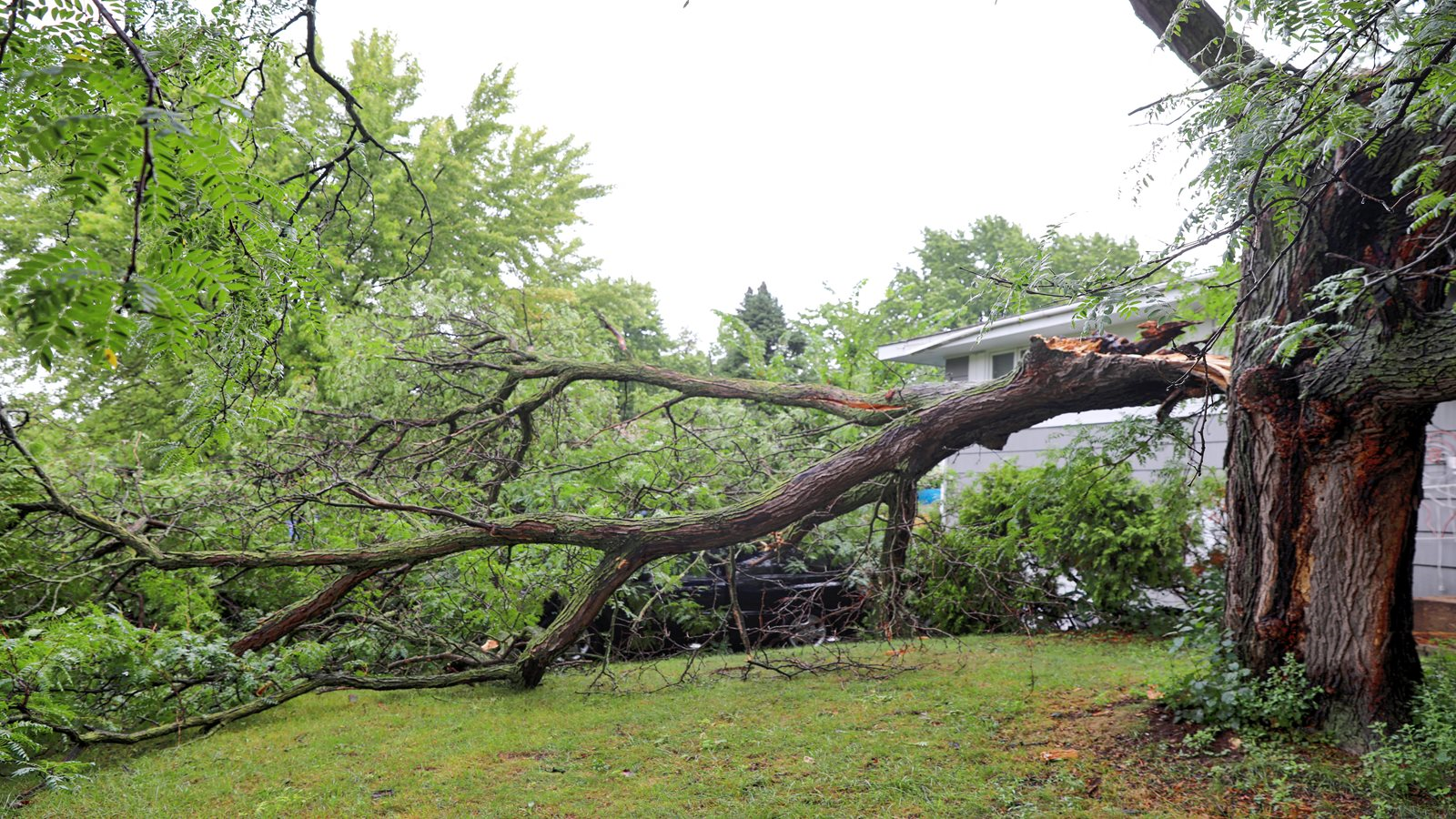
Trees bring life to your landscape, but damaged or dying trees can become serious safety hazards, potentially putting your home, property, vehicles and neighbors at risk. Tree failures can occur suddenly, during severe weather or calm days. Recognizing and addressing the early warning signs of a compromised tree can help reduce the likelihood of property damage, injuries, and expensive repairs while keeping your yard looking its best.
Warning signs of hazardous trees
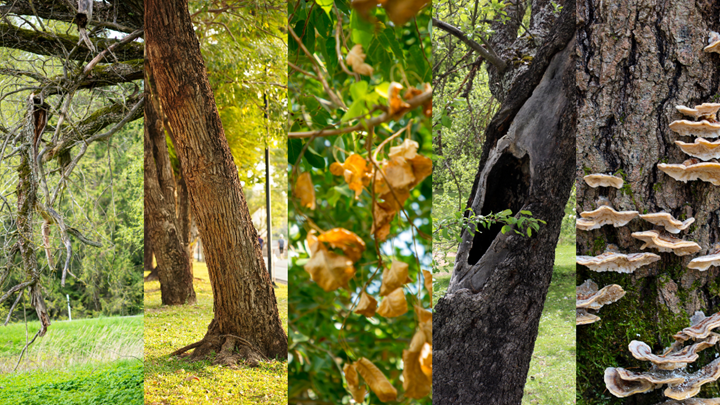
Large dead or falling branches could be a sign that a tree is weak, especially if they fall during calm weather.
Leaning or shifting trees may be unstable, especially if the lean appears suddenly or continues to get worse over time.
Dead leaves or a sudden loss of fruit may mean a tree is weak, especially if foliage or fruit production stops out of season.
Cracks, missing bark, or hollow cavities in the trunk could mean the tree is rotting on the inside and losing strength.
Fungal growth near the base of the tree can be a sign of root rot, which greatly reduces the tree’s stability.
Addressing compromised trees
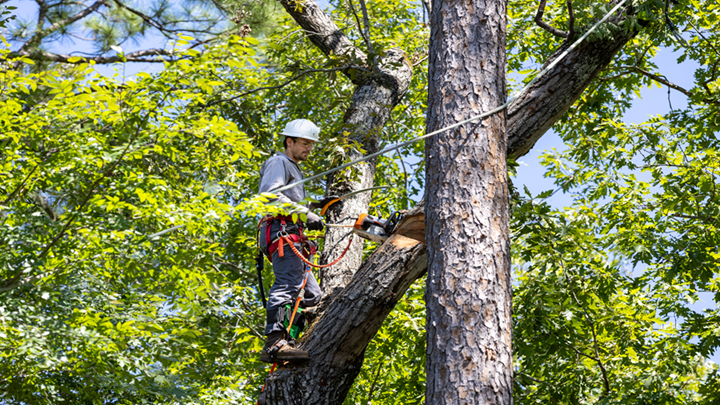
Hire a professional arborist to carefully evaluate the tree, identify risks, and recommend the safest course of action.
Take action as soon as problems appear, to reduce risks, limit damage, and avoid more costly or complicated work later.
Do not attempt to remove damaged trees yourself without proper experience or equipment, as it can be dangerous.
Keep records of all inspections, pruning, or removals to document the tree’s condition and any work performed over time.
Monitor trees for new signs of damage, decay, or structural decline to respond to issues early and maintain their health.
Removal and pruning
Not every tree showing signs of damage needs to be removed. In many cases, professional pruning can correct structural imbalances, remove dead or weakened limbs, and reduce the risk of failure during storms while promoting healthy growth. However, trees with extensive decay, severe root damage, or those posing an immediate safety risk to people or property may require full removal. A certified arborist can evaluate the tree’s condition and location to determine the safest and most effective course of action, helping to preserve healthy trees when possible and address hazards before damage occurs.
Rooted in protection
Unstable or damaged trees can increase the risk of property damage, injuries, and liability. Whether a tree falls during a storm or due to structural weaknesses, noticing warning signs and planning ahead helps homeowners reduce these risks and protect their financial well-being. The best way to plan ahead is to maintain an adequate homeowners insurance policy, which can provide coverage for damages and other unexpected costs. Contact your local Alfa® agent today to learn about your risks and confirm your home is covered against tree-related damage.
All coverages are subject to deductibles and policy limits. This is not an insurance policy. It is intended only to provide a general description of Alfa Insurance® and/or its product lines and services. An actual policy contains the specific details of the deductibles, coverages, conditions and exclusions. Your Alfa® agent can explain the policy and benefits and answer any questions you may have before you buy.