
Hurricane Myths: Do You Know the Facts?
When it comes to hurricanes, being informed is essential to safety and preparedness. Here are the facts behind some of the most common hurricane myths.
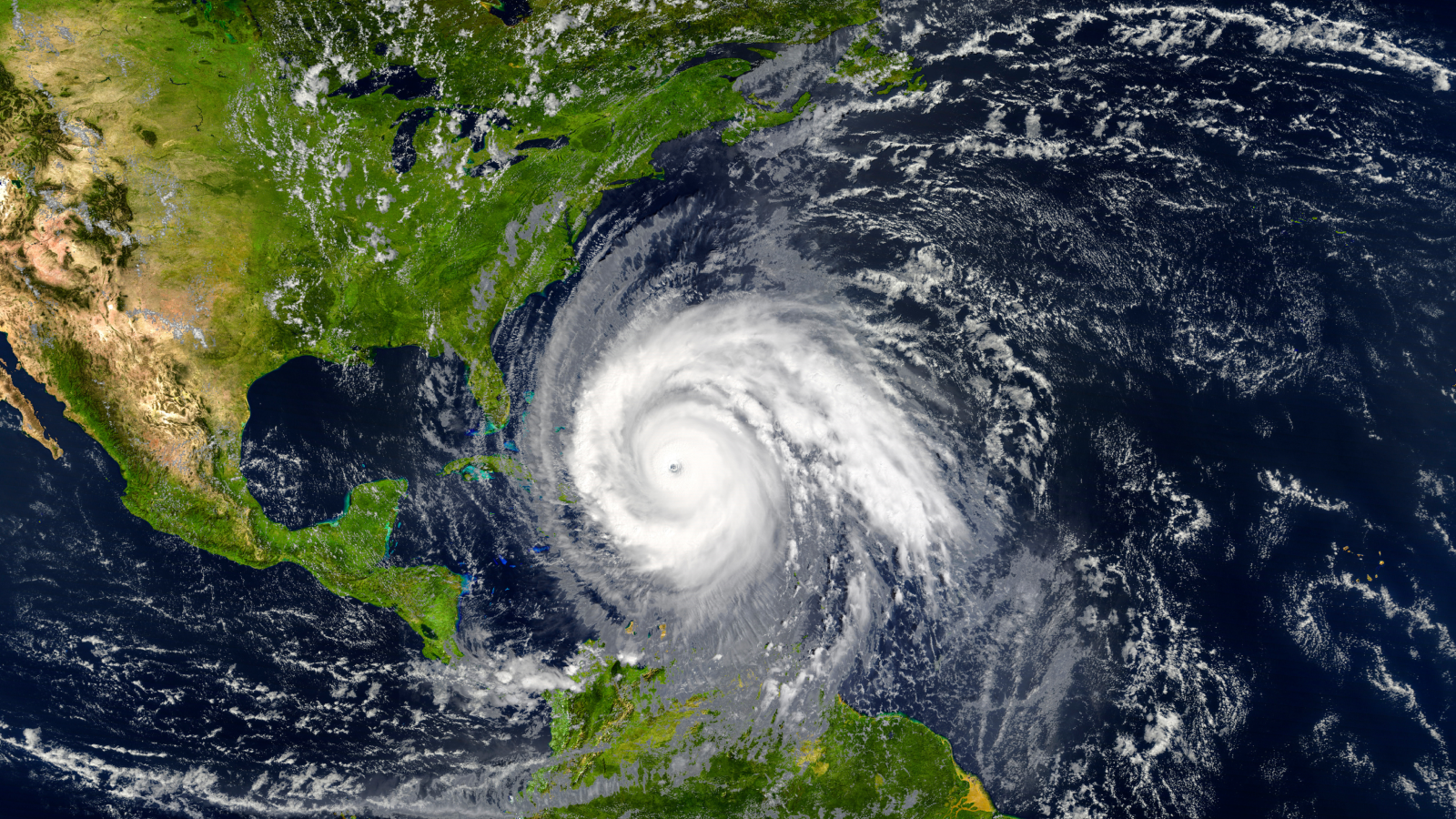
MYTH: The eye of the hurricane is the worst part.
TRUTH: The eye is the calmest part of the storm. The strongest winds and heaviest rain are in the surrounding eyewall.
MYTH: A storm’s category tells you how bad it is going to be.
TRUTH: The Saffir-Simpson Hurricane Wind Scale, which rates hurricanes from 1 to 5, only measures sustained wind speed. It does not account for storm surge, flooding, tornadoes, or heavy rainfall. It is possible for a tropical storm or lower-category hurricane to cause more damage than a higher-category hurricane.
MYTH: Hurricanes only affect coastal areas.
TRUTH: Hurricanes can travel far inland, bringing damaging winds, heavy rain, tornadoes, and flooding to communities hundreds of miles from the coast. For example, in 2024, Hurricane Helene devastated areas of the Appalachian Mountains nearly 400 miles inland from where it made landfall.
MYTH: Storm surge is just big waves.
TRUTH: Storm surge occurs when a hurricane’s powerful winds push ocean water onto normally dry land, causing potentially life-threatening coastal flooding. Storm surge can raise water levels by several feet and, in some cases, submerge entire homes.
MYTH: Evacuating to higher ground is always safer.
TRUTH: Moving to higher ground can help you avoid the storm surge, but it’s not always the safest option for every situation. Buildings located on higher ground are still vulnerable to wind and debris. To be safe, always follow evacuation orders from local authorities.
MYTH: Opening windows equalizes pressure and protects your home.
TRUTH: Opening windows can allow wind, debris, rain and humidity into your home, increasing the risk of damage.
MYTH: FEMA will pay for everything after a hurricane.
TRUTH: FEMA disaster assistance is limited and does not replace any type of insurance. It may help with some disaster-related needs, such as temporary housing, but it usually will not fully cover home repairs or replace damaged property after a hurricane.
MYTH: There are “hurricane insurance” policies.
TRUTH: For homes, hurricane protection is typically a combination of homeowners insurance, flood insurance, and in some cases, separate windstorm coverage. For automobiles, comprehensive coverage may help with storm-related damage.
Stay prepared for hurricane season
Whether you live on the coast or hundreds of miles inland, staying informed is one of the best ways to protect yourself during hurricane season. Sign up for weather alerts, create an emergency plan, and always follow evacuation orders from local officials without delay.
For more information about protecting your home, vehicle, or property from hurricane-related damage, contact your local Alfa® agent who can help you find coverage that meets your needs.
All coverages are subject to deductibles and policy limits. This is not an insurance policy. It is intended only to provide a general description of Alfa Insurance® and/or its product lines and services. An actual policy contains the specific details of the deductibles, coverages, conditions and exclusions. Your Alfa® agent can explain the policy and benefits and answer any questions you may have before you buy.