
Tips for Fire Prevention
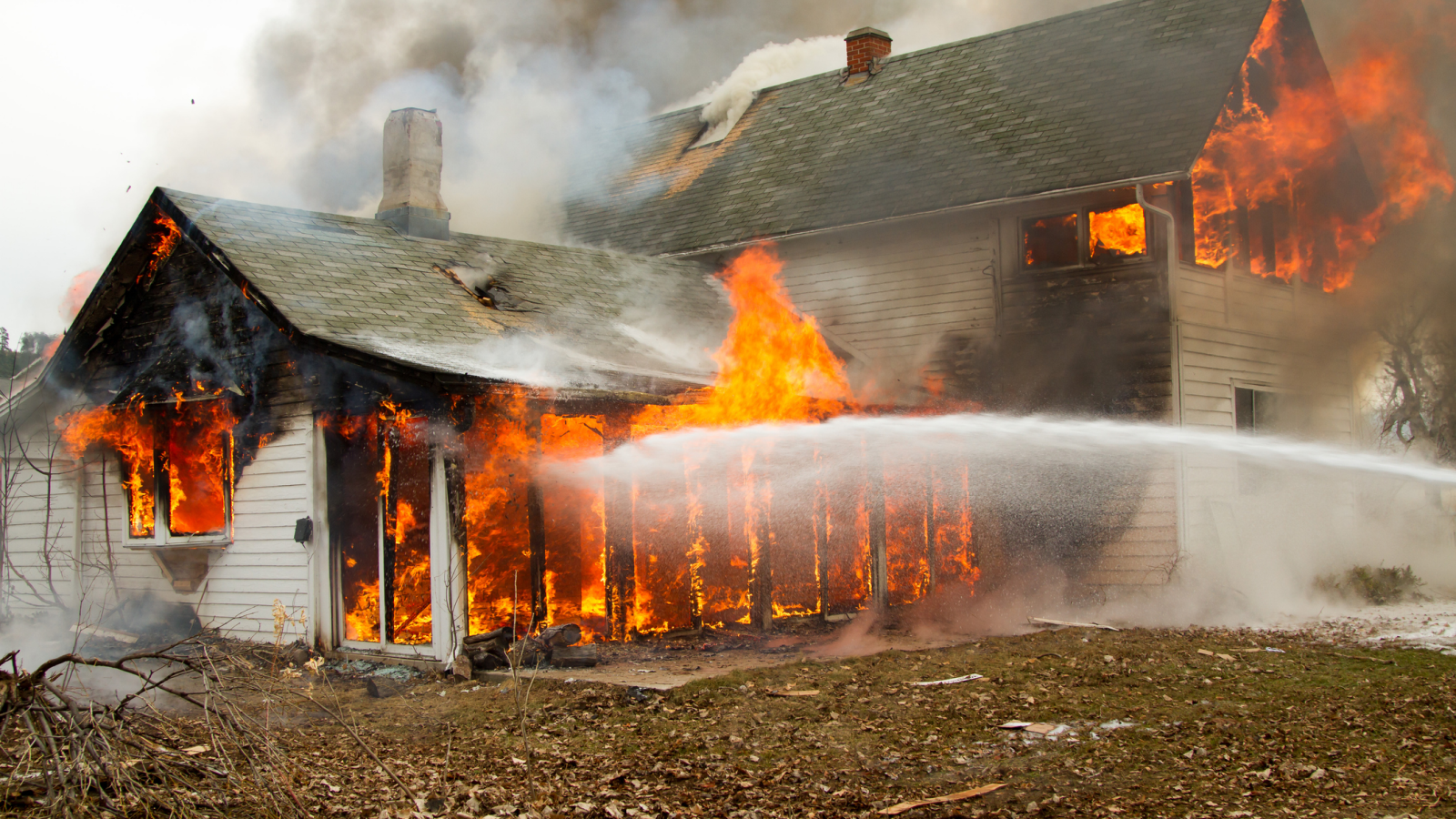
As we reach the end of the year, October is the month we raise awareness about fire safety. According to the National Fire Prevention Association (NFPA), in the United States, most home fires and fire casualties resulted from one of five causes: cooking, heating equipment, electrical distribution and lighting equipment, intentional fire setting, and smoking materials. Over a five-year span, cooking was the leading cause of home fires and home fire injuries. Additionally, smoking materials caused the largest share of home fire fatalities. Below are some tips to aid us all in staying safe.
Clean stovetops and oven surfaces.
Yes, that sauce you spilled from cooking can get hot and start a fire! Just because spilled food burns and appears to be harmless doesn't mean it couldn't cause a problem in the future. Regularly clean your stovetops and oven to prevent food and grease buildup, which can start fires.
Check your smoke detectors.
Every room should have a smoke detector installed. Interconnected alarms are best, so they all will sound off together. If a smoke detector beeps in intervals, the batteries may need replacing. Otherwise, replace all smoke detectors every 10 years.
Keep fire extinguishers up-to-date and around the house.
Remember to check these parts while examining externally: mechanical parts, the extinguishing agent, and physical condition. Extinguishers should have a yearly examination. Check the manual for more details.
Avoid overloading extension cords.
Did you know power strips and extension cords are designed with different strengths? Check the recommended power rating to avoid overheating and risking a fire!
Practice safe candle burning.
Have you ever wondered why the wick burns into a mushroom shape? Most likely, it’s because you have been burning the candle too long, which causes the wick to collect carbon. Doing so makes the candle unstable and will cause a large flame and release smoke and soot. Check the caution label for the recommended burn time and always trim the wick to ¼ inch before each burn.
Keep exit pathways clear.
Entryways should be clear at all times. Avoid placing furniture in front of potential escape routes. Make sure that other objects are not blocking any doors and windows. You want a clear path for a speedy exit in case of an emergency. Come up with a plan to escape. Make sure that all family members and children know what to do and where to go when there is a fire.
Have your fireplace professionally inspected and cleaned.
After many months of no use, it could collect a buildup of dust, spider webs, and other flammable particles. Keep the area around your fireplace clean and free of flammable objects as well. If you have a gas fireplace, ensure that you have proper ventilation to avoid carbon monoxide poison and gas fumes. For electric fireplaces, avoid the use of extension cords and plug into an outlet. Electric fireplaces usually have a high wattage rating that extension cords cannot handle. Using an outlet will allow the fireplace to draw the proper amount of power without working extra hard.
If you’ve experienced a house fire that caused damage, file an insurance claim. Don’t have property insurance? Contact your local Alfa® agent to get the coverage you need today.