
Snow in the South? How to Drive Safely When Winter Weather Surprises You
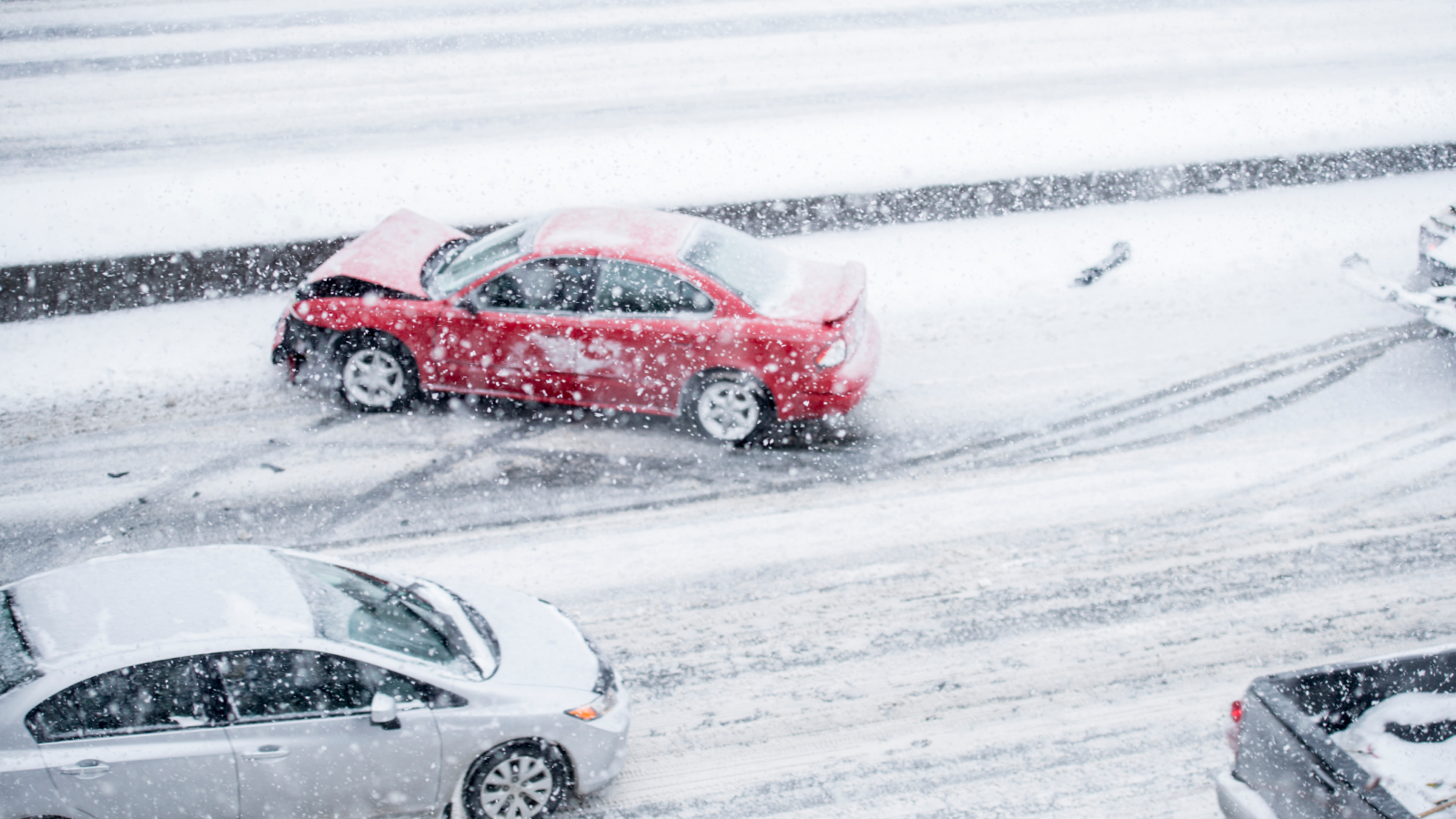
Snow days in the South are rare, special moments when time seems to slow down. Schools close, businesses pause, and neighbors come together—building snowmen, sharing smiles, and enjoying the unexpected break. Yet beneath this calm and joy lies a serious truth: each year, thousands of people are injured or killed in car accidents due to winter weather conditions like snow, ice and sleet.
Why is driving in winter weather more dangerous in the South?
Most people in the South have only seen snow a handful of times, let alone driven in it. When winter weather strikes, many cities simply don’t have the equipment or resources to treat the roads quickly. That’s quite different from northern areas, where cars are typically equipped with winter tires and roads are regularly salted or sanded. As a result, driving in snowy or icy conditions in the South can be far more dangerous and even deadly.
When snow or ice begins to fall, conditions can deteriorate faster than many drivers expect. Roads can become slick, nearly or totally impassable in a very short time. Those who choose to venture out often find themselves stranded as cars slide off the road or get stuck in accumulating snow, leaving them vulnerable to the cold and difficult for rescuers to reach. Emergency crews must navigate the same treacherous conditions, delaying response times and stretching local resources thin. For the safety of yourself and others, it’s best to stay off the roads when conditions become hazardous.
Prepare for winter weather ahead of time
Winter weather in the South is unpredictable. Mild daytime temperatures can quickly fall below freezing at night, causing roads to ice over without warning. Snowstorms can appear suddenly, leaving little time to react. Because conditions can change quickly, preparing your car, your home, and yourself is essential to staying safe and reducing the risk of accidents.
Prepare your car
- Keep your gas tank filled
- Check tire pressure and tread for safe traction
- Make sure battery, antifreeze, and windshield wipers are winter-ready
- Know emergency and roadside assistance contacts
- Pack an emergency kit of essential supplies
Prepare your home
- Stock nonperishable food and drinking water
- Ensure heating and HVAC systems are working properly
- Plan for situations like power outages and medical emergencies
- Keep blankets and warm clothing readily available
Prepare yourself
- Monitor the weather before traveling
- Dress in layers including a hat, gloves, and sturdy shoes
- Keep prescriptions and necessary medications on hand
- Keep your phone fully charged
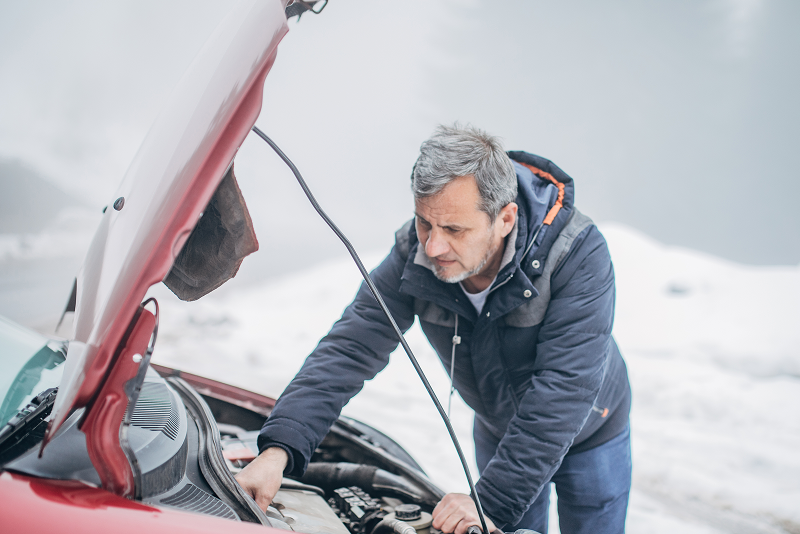
Dos and don’ts of winter driving safety
Altogether, it is best to avoid driving in hazardous weather. However, road conditions can decline while you’re away from home, like when you’re at work or picking up children from school, making driving unavoidable. If you must be on the road, follow these precautions to help prevent accidents in snow or ice.
Do
- Test brakes gently to assess road traction
- Drive slowly and steadily, avoiding sudden stops or sharp turns
- Increase following distance significantly to give more reaction time
- Keep headlights on to improve visibility for other drivers
- Avoid routes with bridges and steep hills
Don’t
- Do not stop or accelerate suddenly on icy surfaces
- Do not overcorrect steering if your vehicle begins sliding
- Do not get distracted by phones, technology, or in-car devices
- Do not assume roads are safe just because they look clear
- Do not drive unless your trip is absolutely necessary
If you slide or have an accident
Even with careful driving, icy or snowy roads can cause your vehicle to slide or lose control. If this happens, stay calm and avoid overcorrecting your steering. Gently ease off the accelerator and steer in the direction you want to go. Keep your focus on the road ahead and other vehicles, and use slow, steady movements to regain control safely.
If you are involved in an accident, become stuck, or end up in a ditch, prioritize your safety first. Stay inside the vehicle if it is safe, turn on hazard lights, and exit only if necessary. Call for help immediately, providing your location and any injuries. If possible, document the situation with photos and exchange information with others involved. Wait for professional assistance before attempting to move your vehicle in hazardous conditions.
Preparation meets protection
Winter weather can be unpredictable, but planning ahead helps keep you, your family, and your community safe. From preparing your vehicle and keeping an eye on the forecast to staying off the roads when conditions worsen, every precaution helps prevent accidents and protect lives. Even with careful planning, accidents can still happen. At Alfa®, we believe road safety begins with the right auto insurance coverage. Contact your local agent today to review your policy, explore your options, and ensure you’re protected before the next winter storm arrives.
All coverages are subject to deductibles and policy limits. This is not an insurance policy. It is intended only to provide a general description of Alfa Insurance® and/or its product lines and services. An actual policy contains the specific details of the deductibles, coverages, conditions and exclusions. Your Alfa® agent can explain the policy and benefits and answer any questions you may have before you buy.