
What Drivers Should Know as E15 Fuel Becomes More Available
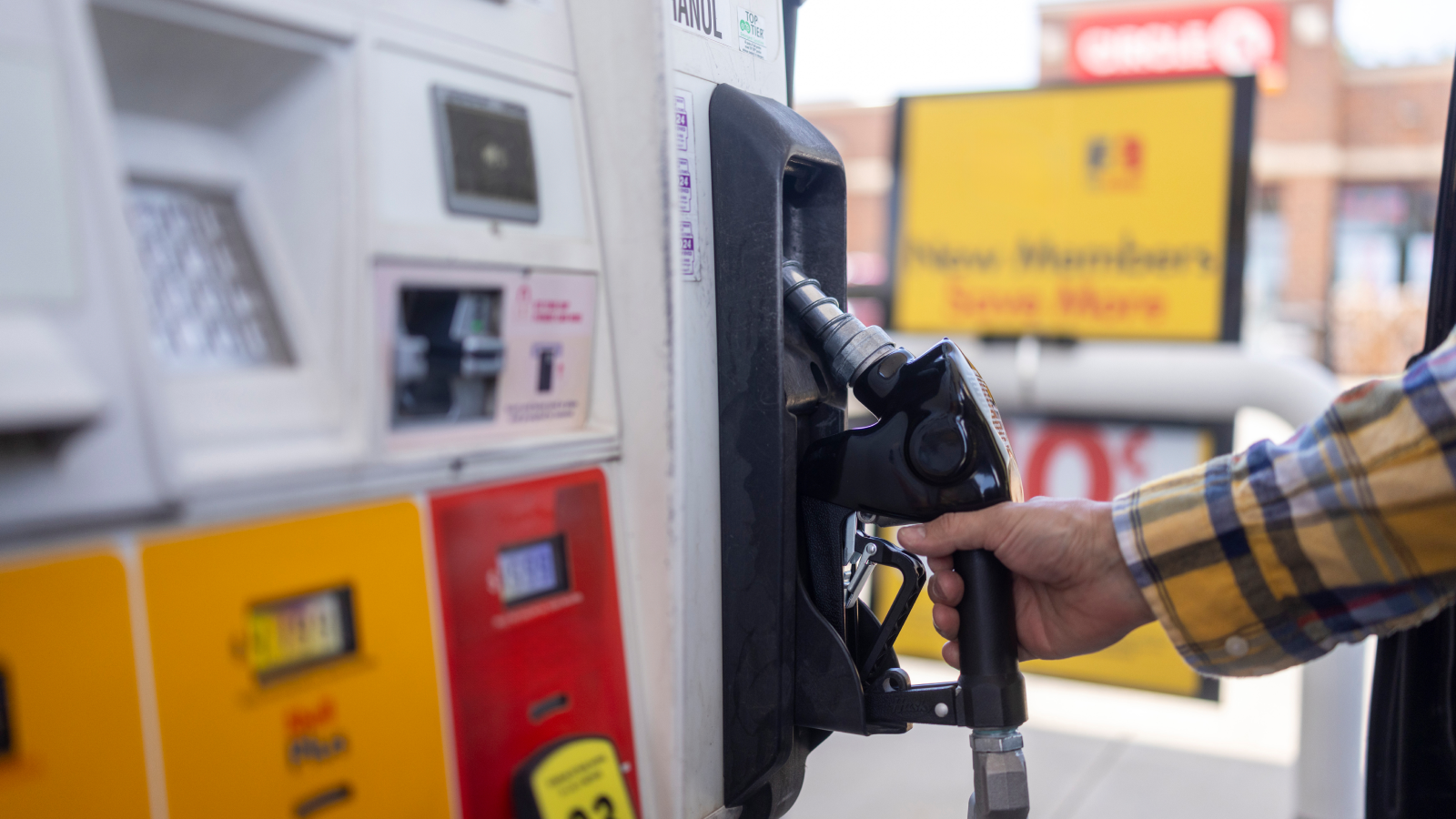
Amid concerns about the fuel supply and summer gas prices, the EPA has issued an emergency waiver allowing E15 fuel to be sold temporarily beginning May 1, 2026, and lasting through May 20, 2026. Under the Clean Air Act, these emergency waivers are limited to 20-day increments, pending renewal, though federal legislation has been introduced that would allow year-round E15 sales. While this may give some drivers another option at the pump, it is important to know whether E15 is right for your vehicle before filling up.
What is E15 fuel?
E15 is a fuel blend made of up to 15% ethanol and 85% gasoline. For comparison, the standard gasoline most drivers use is E10, which contains up to 10% ethanol and 90% gasoline.
What is ethanol? Ethanol is a grain alcohol primarily derived from corn when used for fuel. It is added to gasoline to help fuel burn more efficiently, but higher ethanol blends are not right for every engine.
Risks of using E15 fuel with the wrong engine
If an engine is not built or approved to use E15 fuel, the higher ethanol content could contribute to issues such as:
- Overheating
- Corrosion or rust
- Lower gas mileage
- Degraded rubber or plastic parts
- Clogged or damaged fuel systems
- Engine failure and other damage
How to identify E15 fuel at the pump
E15 is often marketed as unleaded 88. Most drivers are more familiar with regular unleaded 87, which is typically E10.
How to protect your engine
Just as you wouldn’t fill your gasoline-powered car with diesel, you should not assume every fuel option at the pump is right for your vehicle. The best way to protect your vehicle is to use the fuel recommended by your manufacturer. Before filling up, check your owner’s manual, look inside your fuel door, and pay close attention to fuel labels at the pump.
E15 is approved for use in some vehicles made in 2001 or later, as well as flex fuel vehicles. However, it is not compatible with older vehicles, boats, motorcycles, lawnmowers, chainsaws, or other small-engine equipment. If you are unsure whether your vehicle can use E15, review EPA guidelines and ask a trusted mechanic before switching fuels.
What do I do if I’ve filled my car with the wrong fuel?
If you’ve filled your car with the wrong fuel, do not start the engine. Have your vehicle towed to a trusted repair shop so a mechanic can drain the fuel and service the vehicle as needed.
Alfa Insurance offers Roadside Assistance coverage, which can help with towing in a scenario like this.
Make the right choice at the pump
We all want to save money at the pump, but using the wrong fuel could cost you more in repairs later. Fuel blends like E15 may be an option for some, but they are not approved for every gasoline engine. Using E15 in equipment that is not approved for it may affect warranty coverage and violate EPA recommendations, so always follow the pump label and manufacturer guidance. A little caution before you fill up can go a long way in protecting your engine.
All coverages are subject to deductibles and policy limits. This is not an insurance policy. It is intended only to provide a general description of Alfa Insurance® and/or its product lines and services. An actual policy contains the specific details of the deductibles, coverages, conditions and exclusions. Your Alfa® agent can explain the policy and benefits and answer any questions you may have before you buy.